
The Grave Injustice Against Archbishop Alick Banda and the Toxic Legacy of the PF
By the Independent Correspondent
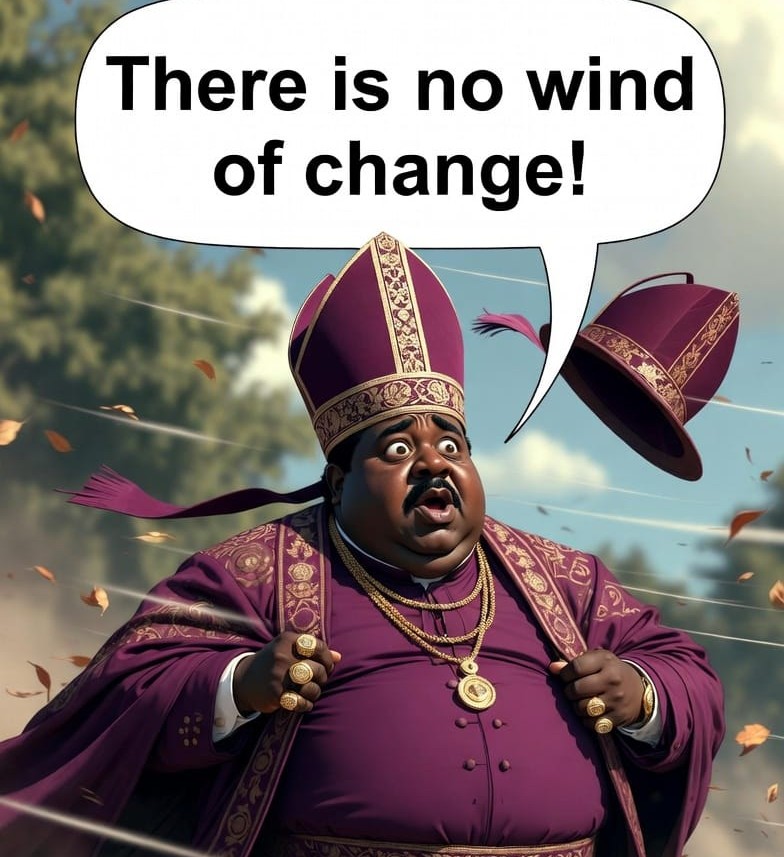
The unfolding case involving Archbishop Alick Banda has laid bare a troubling pattern of injustice that goes beyond one individual. It reflects a deeper malaise in our political culture—one that has been nurtured and normalised by the Patriotic Front (PF) and continues to poison national life long after the party lost power.
At the centre of this matter is a respected church leader whose only “crime” appears to be moral clarity and independence of thought. The treatment meted out to Archbishop Banda is not only disproportionate; it raises serious questions about selective application of power and the weaponisation of institutions against voices perceived to be inconvenient. In any democracy that claims to respect the rule of law, such conduct should alarm every citizen, regardless of political affiliation.
What makes this injustice even more disturbing is the role played by some PF members. There is growing concern, widely discussed in political circles, that certain PF MPs and officials presented themselves as sympathisers and confidants to the Archbishop, pretending to commiserate with him in his moment of difficulty. Yet, beneath this façade of solidarity, they were allegedly gathering information—not to defend justice or truth, but to trade it for political favour with the ruling UPND. If true, this represents the lowest form of political opportunism: exploiting a man of God’s vulnerability for personal survival.
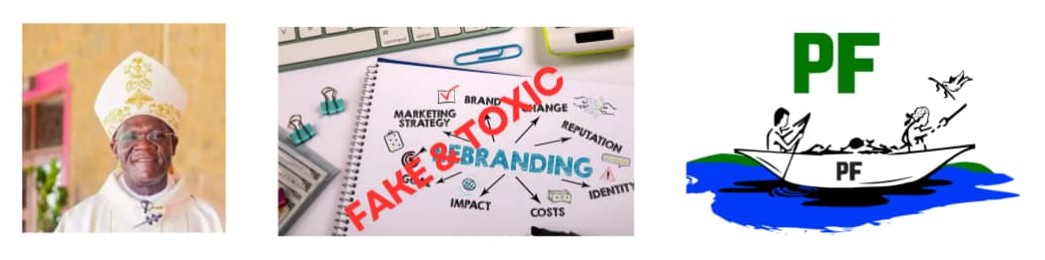
This behaviour underscores a harsh reality: the PF has not rebranded. Instead, it has become more toxic. Internal wrangles, public contradictions, and moral bankruptcy now define a party that once claimed to stand for the people. Everywhere this toxicity spreads, it contaminates trust, institutions, and even individuals who unwittingly come into contact with it. The case of Archbishop Banda is a painful illustration of how far this decay has gone.
The warning signs are clear for those seeking alliances or cooperation with elements from the PF. Leaders such as the Citizens First (CF) president Harry Kalaba and the Socialist Party (SP) leader Fred Mmembe—both of whom command respect in opposition politics—must exercise extreme caution. Not every PF member seeking partnership is genuine. Some are, quite frankly, political snakes: deployed to do their masters’ bidding by destabilising or neutralising any credible opposition to the ruling party. Others may be driven by fear—potential prisoners seeking to buy their freedom by betraying allies and sabotaging alternative political formations.
The task, therefore, is discernment. Those engaging with PF figures must ask hard questions: Who are these leaders working with? Who are their business associates? Who do they regularly associate with socially and politically? Where have these associates stood on key national issues—constitutional reforms, governance, corruption, and civil liberties? What has been their public conduct when the nation needed moral courage?
An honest assessment will lead to an uncomfortable but necessary conclusion: some PF leaders are irredeemably toxic. Associating with them comes at the partner’s own risk. They do not bring value, credibility, or unity; they bring suspicion, infiltration, and eventual collapse.
The injustice against Archbishop Alick Banda should serve as a wake-up call. Zambia deserves a politics grounded in principle, not betrayal; in justice, not survival tactics. Until the PF confronts and uproots its toxic elements, it will remain a danger not only to itself, but to anyone unfortunate enough to get too close.