

Malice, Treachery and the PF: A Party Consumed by Its Own Contradictions
The Independent Correspondent
The Patriotic Front (PF), once Zambia’s ruling party, stands at a precipice. Its present state is not merely one of political opposition but of profound internal decay, where malice and treachery have become the dominant currencies of operation. The recent weeks have laid bare a circus of contradictions, with presidential contenders showcasing a stunning lack of principle, forging alliances with former betrayers, and collectively engineering the party’s expulsion from the very coalition meant to be its lifeline. This is not the story of a party fighting for power; it is the autopsy of a political entity consumed by the selfish ambitions of its leading figures.
The double faces of Brian Mundubile’s presidential ambition, was long suppressed during Edgar Lungu’s leadership, burst forth following the former president’s demise. His strategy, however, has been marked by confusion and erratic positioning. Most damning is the profound irony of his current situation: Mundubile, a PF member, was part of the Tonse Alliance meeting that led to the PF’s removal from the coalition. The alliance’s caretaker chairman, Danny Pule, explicitly cited the “Lubinda-led PF faction” and the party’s internal “chaotic politics” as reasons for the expulsion.
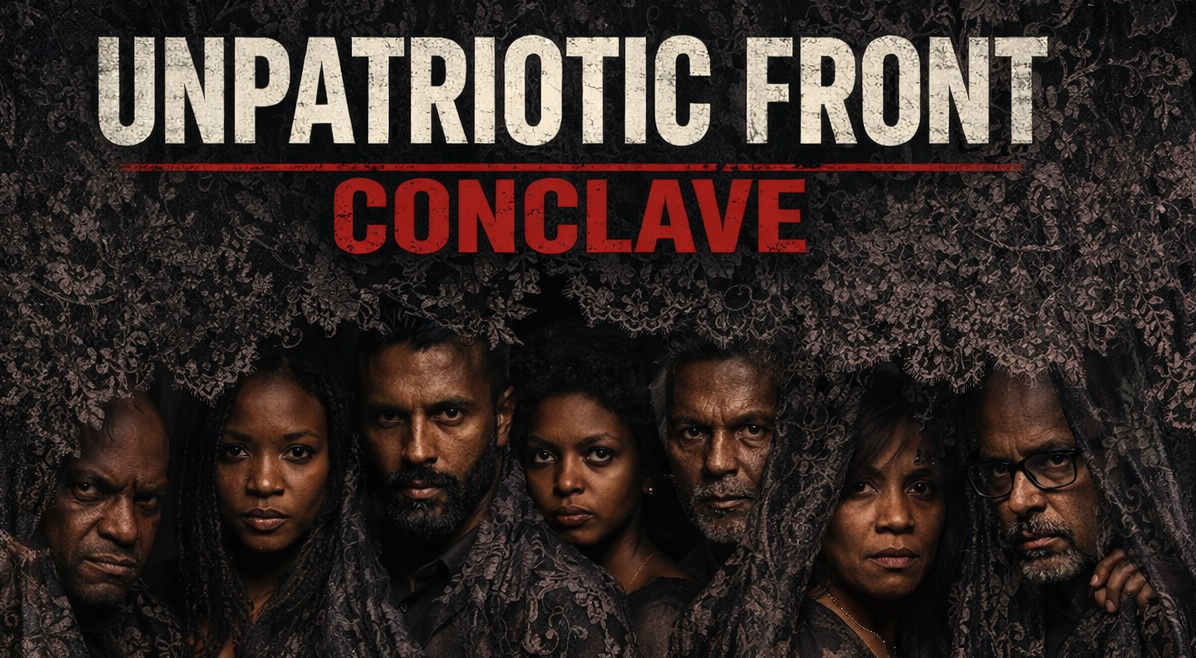
Mundubile’s actions have triggered a severe internal crackdown. The party’s acting leadership, under Given Lubinda, has formally charged him with gross indiscipline. The charges are a direct response to his attendance at the Tonse meeting and his establishment of what the party calls “parallel structures”. In a dramatic move, Mundubile subsequently walked out of a PF unity conclave, alleging “bad faith” and plots to expel him. His journey encapsulates the PF’s paradox: a man seeks to lead the party by participating in actions that cripple it, then cries foul when held accountable.
If Mundubile represents confusion, then Makebi Zulu’s alleged maneuvers symbolize cold treachery. Presenting himself as a guardian of the Lungu family’s interests, Zulu’s credibility collapses when viewed alongside his association with Pastor Peter Chanda.
Chanda, as leader of the National Congress Party (NCP), performed a defining act of betrayal against the late President Lungu’s legacy by not only endorsing the UPND’s Bill 7 but actively urging MPs to support it. He framed the constitutional amendment as amplifying “every citizen’s voice,” a move widely seen as aligning with the ruling party’s agenda. For Makebi Zulu, who projects an image of loyalty to ECL, to be “in bed with Peter Chanda” is a staggering contradiction. It reveals a fundamental lack of integrity and suggests that sentimental claims of representing the Lungu family are merely a convenient cloak for political convenience. This conduct is a clear warning to the likes of KBF, HK and Chifumu Banda have to keep such characters at a distance.
It is clear that the old plan to wrestle control that was once whispered about in a leaked audio involving Fred M’membe’s daughter, appears to have found new life. At its heart now is the alliance between Given Lubinda and Chishimba Kambwili. A political analyst has dismissed Kambwili as a “finished politician without any principles,” accusing him of attacking fellow PF candidates to please the “unpopular” Lubinda.
Kambwili’s allegiance is particularly telling. Given his history, one would naturally expect him to align with Harry Kalaba, a leader known for his no-compromise stance. Instead, Kambwili has gravitated towards Lubinda and, by extension, the sphere of influence of Fred M’membe. This decision is likely a calculated move, recognizing that Kalaba’s unwavering principles are incompatible with the kind of flexible, deal-making politics that this faction employs. It is a coalition built not on shared vision for the nation, but on a shared ambition for control, resurrecting a plot that once threatened to split the party.
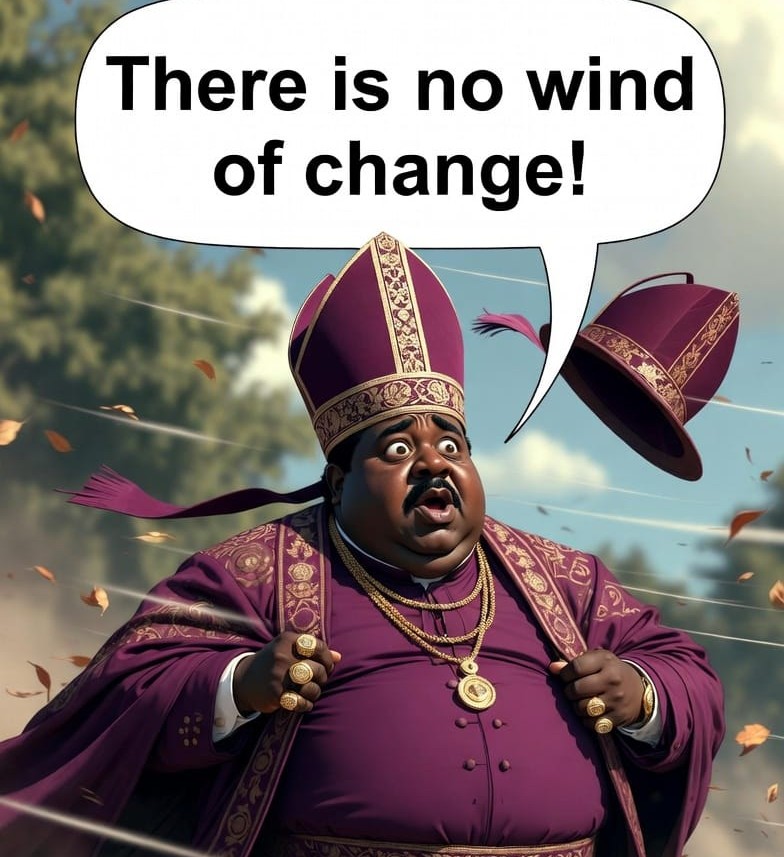
The common thread weaving through the actions of Mundubile, Zulu, Lubinda, Kambwili and many others in PF not worth our scholastic attention is; a clear and demonstrable lack of integrity. Their political calculations are nakedly self-serving, shifting with the wind, and utterly disconnected from the service of the people or the stability of the nation. They hop from one position to another, forge alliances with yesterday’s adversaries, and prioritize personal ambition over party unity or national interest. It is therefore no surprise that the PF is where it is today—expelled from its own alliance, embroiled in public disciplinary hearings, and a source of national disappointment rather than a credible alternative.
The PF’s descent into malice and treachery makes the editorial call of 10th January 2026 for unity more urgent than ever. With the PF incapacitated by its internal wars, the need for a cohesive, principled opposition is critical for Zambian democracy. The recommendation for other parties to unite around the CF and its leader Harry Kalaba is not merely an opinion; it is a strategic necessity born of the current vacuum.
Kalaba has demonstrated the character and attributes of a real leader: consistency, principle, and a clear vision for national restoration. While others trade in confusion and betrayal, he has been on the ground, like in Chawama, drumming up genuine grassroot support. If the current cadre of opposition leaders fails to heed this call for unity around such principled leadership, the citizens themselves will unite around him. The people of Zambia deserve leaders who build, not break; who unite, not divide. The time for well-meaning leaders and civil society to reflect and act on this is now. The alternative is to remain entangled in a web of malice and treachery, from which only the nation suffers.