
By the Independent Political Correspondent
Wednesday, 4th February, 2026
In recent months, a group of self-appointed political elders has emerged, claiming the moral authority to bring the opposition together and deliver a unified candidate. While unity is a noble and much-needed aspiration, the manner in which this task is being pursued has raised more questions than confidence—across almost all opposition parties.
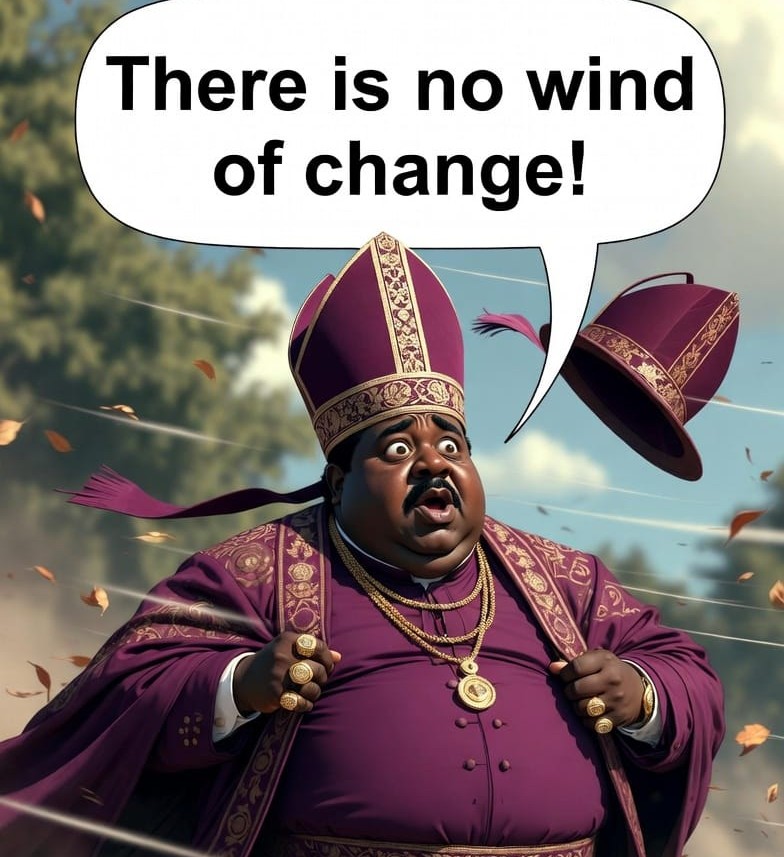
If the elders truly understand the gravity of the role they have assumed, then wisdom would demand that they first pull back, regroup, and listen. Unity cannot be imposed from the top down. It must be cultivated through broad consultation, inclusivity, and respect for all stakeholders. Any process that appears to prioritise predetermined outcomes over genuine consensus risks defeating the very purpose it claims to serve.
Citizens also deserve honesty about who these elders are and where they come from. Many of them were at the forefront of campaigning for Mr. Hakainde Hichilema, passionately selling him to the Zambian people as the preferred candidate. This raises an unavoidable question: are we to believe that they have suddenly realised they made a mistake, or is it possible that some are covertly working for President Hichilema under the convenient pretext of “uniting the opposition,” while in reality weakening it? These are legitimate questions, and dismissing them as mere suspicion only deepens public mistrust.
While the effort to foster unity is appreciated, it must also be acknowledged that some among these elders come with very soiled hands. Unfortunately, this has splashed mud on two or three well-meaning elders who may genuinely desire a fair and objective process. The credibility of the entire initiative is therefore compromised by the baggage carried by a few.
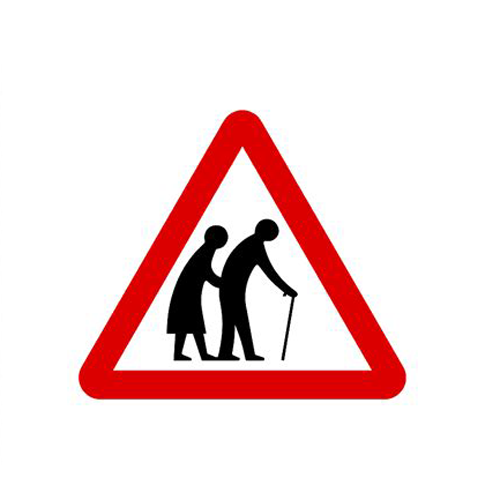
What we are witnessing increasingly resembles the Brexit phenomenon. In that referendum, the average age of those who voted for Britain to exit the European Union was about 68 years, with seniors accounting for over 70 percent of the “Leave” vote. They made a far-reaching decision that would primarily affect younger generations—many of whom either voted to remain or stayed away from the process altogether. Today, a sobering reality persists: a significant proportion of those who voted for Brexit are no longer alive, having succumbed to old age or to COVID-19, which disproportionately affected seniors in the West. Yet the consequences of that decision continue to be borne by younger citizens.
Similarly, what these political elders now appear to be doing is attempting to impose a candidate on the citizens—expecting everyone to rally behind a figure they will anoint, often under a thinly veiled tribal narrative. This approach is dangerous, divisive, and fundamentally undemocratic.
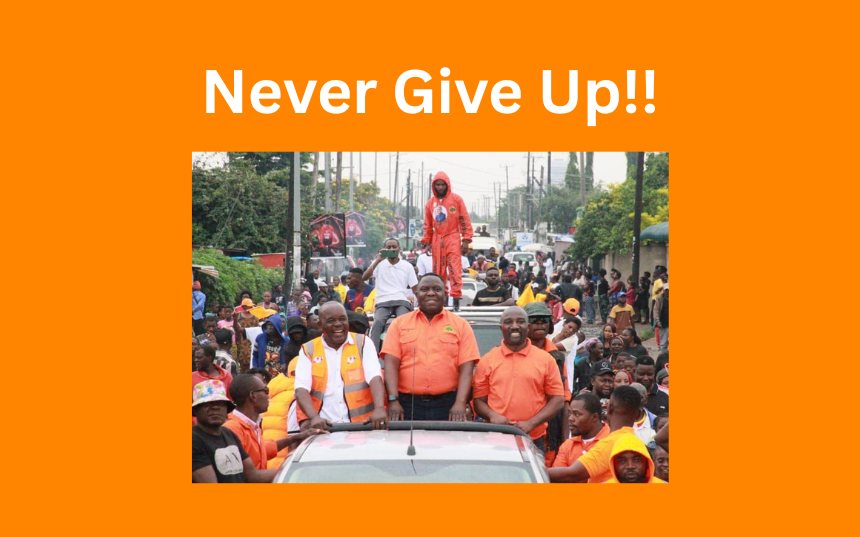
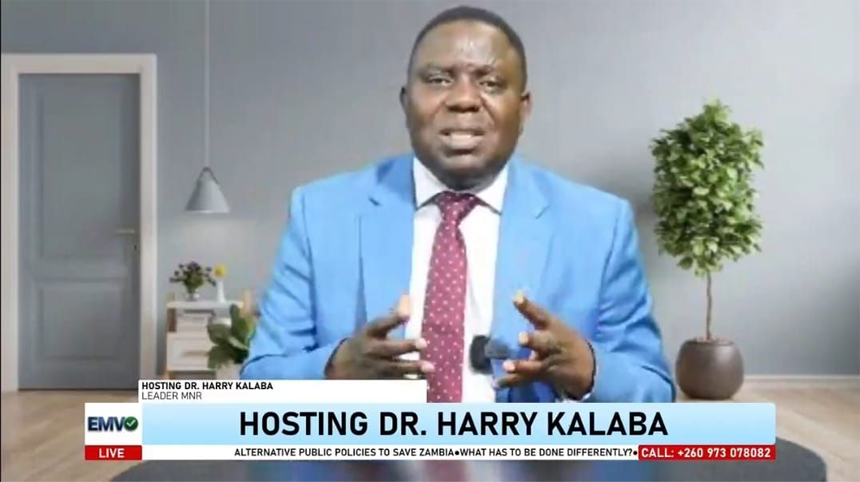
It is therefore unsurprising that serious reservations have emerged, particularly from Citizens First (CF) and its leader, Mr. Harry Kalaba. Kalaba has consistently stated that he is ready to accept a collective recommendation, but not one born out of a flawed, biased, or exclusionary process. Unity, he has argued, must be principled, not manufactured.
CF Youth Leader Maxwell Chongu amplified these concerns publicly, taking to Facebook and addressing the nation to resist the outcome of a process that appears pre-decided. He questioned how Mr. Muhabi Lungu—who has repeatedly attacked CF and its leadership—could legitimately sit on a select committee tasked with choosing a unifying leader, especially when no single representative from CF is included. What role can such a clearly biased individual play, if not to tilt the scales?
Zambians have seen this script before. The experience of Hon. Sichinga stands as a warning: trust in a supposedly fair process only to later realise that the outcome had been choreographed long before participation began. History teaches us that when processes lack transparency, disappointment is inevitable.
It is against this backdrop that the CF leadership, through its Central Committee, has resolved that the party will not be used to peddle a preset agenda. This is not a rejection of unity; it is a defence of integrity. For any process to be objective and credible, the elders themselves must introspect and examine their motives. Those who find themselves conflicted should step aside—or, at the very least, declare their interests openly instead of pretending to be neutral when their bias is evident to all.
Once again, our commitment to unity among political players remains firm. Unity is desirable. Unity is necessary. But unity built on deception, exclusion, and manipulation is no unity at all. What Zambia needs are honest brokers—people of integrity, people whose word means something.
Otherwise, what looms ahead risks becoming yet another Bill 7-style trick. And as the saying goes, once beaten, twice shy. This time, the citizens are watching closely—and they are no longer afraid to ask hard questions about the relevance, intentions, and credibility of these elders.