
A Biased “Conclave”: A Call for the Elders to Be Sincere and Objective
The Independent Political Correspondent
Saturday 17th January, 2026
The call to unite the opposition under one umbrella and field a single presidential candidate is, in principle, a noble and necessary endeavour. Zambia’s democracy thrives when competition is strong, ideas are diverse, and power is genuinely contested. It is for this reason that the efforts by the Council of Elders—also referred to as the Conclave—have been welcomed by many citizens who desire a credible alternative to the ruling UPND.
However, unity loses its moral force the moment it is pursued with bias, exclusion, and hidden agendas. What is increasingly becoming evident is that while the elders speak the language of unity, their actions betray a preference for certain candidates and a deliberate sidelining of others. This contradiction is not only ironic; it is dangerous to the very cause they claim to champion.
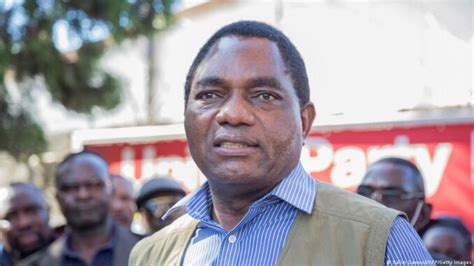
One of the most glaring examples of this bias is the persistent attempt to paint Citizens First (CF) President Harry Kalaba with a brush that does not reflect his political conduct. Kalaba is repeatedly portrayed as unwilling to work with others, not because of any refusal to engage, but simply because he has declined to descend into mudslinging politics. In an environment where political relevance is often measured by how loud or abrasive one can be, refusing to trade insults is perversely interpreted as arrogance or isolationism. That is neither fair nor honest.
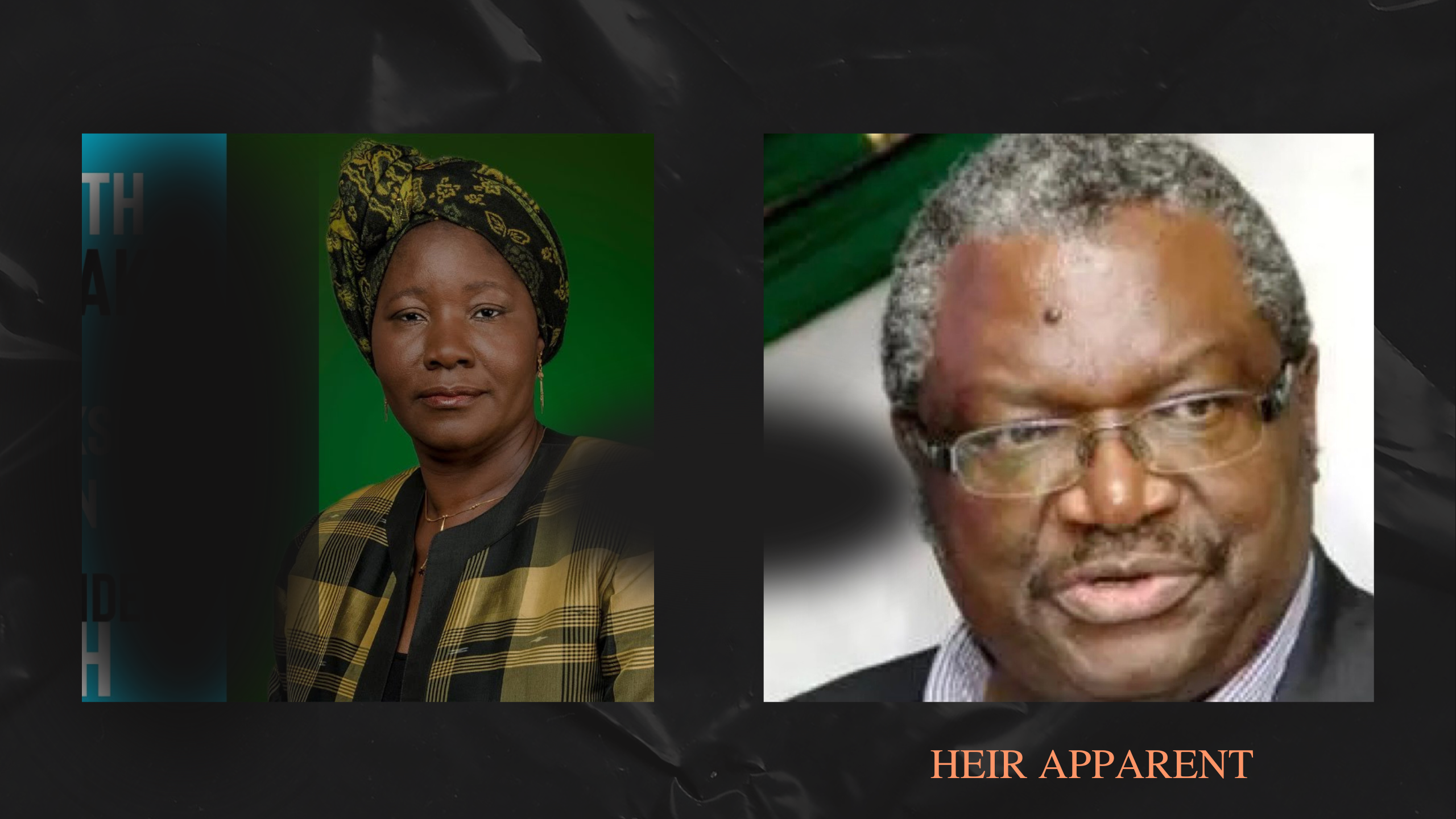
The events surrounding the meeting held on Friday, 16th January 2026, bring this bias into sharp focus. Convened by Brian Mushimba and chaired by former Vice President Inonge Wina, with senior figures such as Akashambatwa Mbukusita Lewanika, Judge Chibesakunda, Ambassador Chitala and others in attendance, the meeting was presented as a critical engagement in the opposition unity process. Yet, conspicuously absent were several key political players, including CF President Harry Kalaba.
When questions were raised about Kalaba’s absence, sources close to the discussions revealed an astonishing justification: that he was not answering his phone when attempts were made to contact him. This explanation is, at best, disingenuous. How does one claim to be serious about engaging a party president with nationwide presence across all ten provinces by merely making phone calls, while deliberately ignoring a fully functional party secretariat? Such an approach does not suggest an honest attempt at inclusion; it suggests a convenient excuse for exclusion.
More troubling is the reported attempt by the convener to initially “blame” Harry Kalaba for not attending a meeting to which he was never invited. It was only after reminders that even Fred M’membe was also absent—and yet was not subjected to similar condemnation—that the narrative softened. This selective outrage exposes the bias that many have long suspected.
It is therefore not surprising that, in the course of the meeting, one participant was heard remarking, “These elders are clearly not with us; I hope they are not UPND surrogates.” While the comment provoked involuntary giggles, it also captured a growing sentiment among opposition supporters: that the process is beginning to look compromised.
To the elders who have assumed the role of kingmakers and anointers of leaders, a word of caution is necessary. Scripture reminds us in 1 Samuel 16 that even Samuel, a prophet of God, initially failed to see whom God had chosen. He was reminded that God does not see as man sees. There is always the danger of mistaking personal preference for divine or national wisdom. This is a moment for retreat, reflection, and humility—so that the elders may hear what God is saying, not merely pursue what they intend.
The opposition must also be warned against recycling rejected politics. Picking a candidate simply because of their Patriotic Front (PF) leaning is a strategic and moral error. The PF was rejected by Zambians in 2021, and no amount of elite repackaging will change the people’s verdict. Equally dangerous is the temptation to choose leaders based on tribal affinity, personal connections, or the hope that a candidate will pick a relative or confidante as a running mate. Zambia has suffered enough from politics of convenience.
What the country needs is a candidate with clear capacity to defeat the UPND—a leader with national appeal, credibility, and the confidence of the people. The elders must remember this timeless truth: Vox populi, vox Dei – the voice of the people is the voice of God. Any process that stands against that voice is doomed to irrelevance.
A special word must be said about the legacy at stake. When a former Justice of high office chooses to rub shoulders with individuals of questionable character and lends her stature to a biased process, that hard-earned legacy is dragged into the gutter. Similarly, the former Vice President and her confidante must stand back. Their clear biases, perhaps born from past political battles, have no place in a process that demands monastic objectivity. Their role should be to facilitate, not to dictate; to listen, not to pre-select.
The will of the people is an immutable force. The relevance of any elder, any conclave, is utterly nullified if they choose to stand against that will. There can be no genuine unity if the architects of unity arrive with a preferred candidate in their pocket and engineer the exclusion of others to falsely project them as divisive. This is not unity; it is coronation by clique.
Zambia needs unity. Not a contrived, biased, backroom unity, but a genuine, broad-based, and transparent coalition that respects all contenders and submits to the democratic will of the people. We call on the elders to retreat, to pray, and to listen—not to their own intentions, but to the heartbeat of the nation they claim to serve. Let sincerity be their guide, or let them step aside for the sake of Mother Zambia. The nation is watching, and history will judge.