
Kalaba Calls Out the Opposition to CF as a Shelter Including Those from the Ruling UPND
By the Independent Political Correspondent
Wednesday, 25th March, 2026
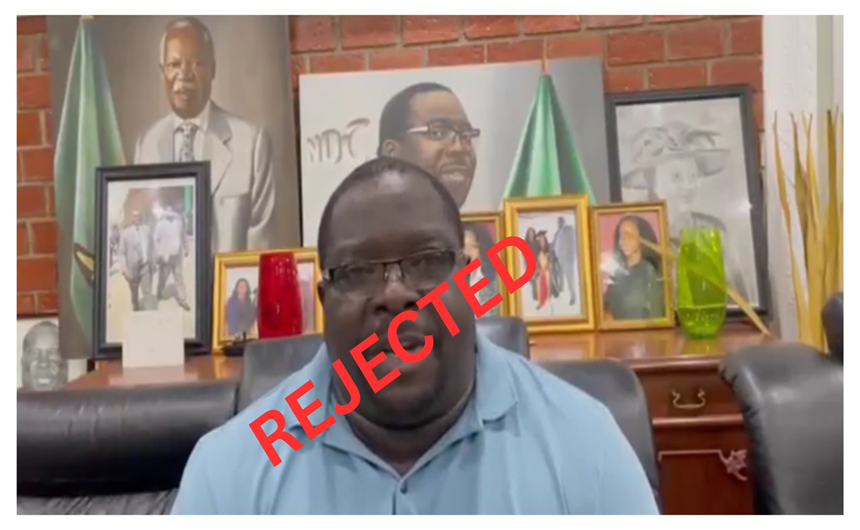
Lusaka, Zambia – Harry Kalaba, leader of the Citizens First (CF), has issued a sweeping critique of the country’s political and economic direction, while positioning his party as a “shelter” for opposition figures and disaffected members of the ruling United Party for National Development (UPND).
Addressing a press conference, Kalaba painted a bleak picture of Zambia’s current state, citing soaring cost of living, rising debt levels, corruption, and deteriorating infrastructure. He argued that the country is “in deep crisis” and in urgent need of new leadership ahead of the 2026 general elections.
Kalaba accused the government of presiding over what he described as unprecedented abuse of public trust. He pointed to alleged irregularities in public-private partnership (PPP) road projects and raised concerns over corruption in the supply of medicines to the state.
He warned that individuals implicated in misuse of public resources would face accountability when the CF forms government after the August 13 elections.
The CF leader also addressed the recent mob killing of a woman in Kalumbila, describing the incident as a sign of moral decay and a breakdown in respect for human life. He called on law enforcement agencies to act decisively and urged the church to promote civic awareness on the sanctity of life.
Kalaba cautioned that such acts of violence, if unchecked, could threaten national peace, particularly in an election period.
A significant portion of the address focused on concerns surrounding the electoral process. Kalaba alleged that voter registration and national registration card issuance exercises were marred by inefficiencies and discrimination in opposition strongholds.
He further criticised constitutional amendments, particularly “Bill 7,” arguing that they could expand government control, weaken democratic institutions, and strain public resources through an enlarged parliament.
Kalaba warned that provisions in proposed electoral reforms could empower authorities to suppress political opponents, raising fears of a shift toward a de facto one-party state.
Referencing the 2026 global report by Human Rights Watch, Kalaba echoed concerns that Zambia is becoming increasingly hostile to dissent. He accused the administration of Hakainde Hichilema of restricting civic space and undermining democratic freedoms.
He cautioned that such trends could damage Zambia’s international reputation and investor confidence if not reversed.
CF as a “Political Shelter”
In a direct appeal, Kalaba declared that Citizens First remains open to all Zambians seeking political refuge, including members of opposition parties and those within the ruling UPND who feel marginalised.
“Come home,” he urged repeatedly, framing CF as a broad, inclusive platform capable of uniting diverse political actors against what he termed “dictatorship.”
He emphasized the importance of unity among opposition groups, stating that collaboration is necessary to achieve meaningful political change.
Kalaba called on religious institutions to continue advocating for justice and national unity during what he described as a critical period in Zambia’s history.
He also delivered a strong message to young people, urging them not to trade their future for short-term incentives. Encouraging active participation in the electoral process, he framed the youth vote as a powerful tool for national transformation.
Concluding his address, Kalaba positioned the 2026 elections as a defining moment, describing CF as leading a movement toward what he termed Zambia’s “second independence.”
He contrasted campaign rhetoric with lived realities, urging voters to demand tangible economic improvements rather than empty promises.