
The Independent Correspondent
Monday 19th January, 2026
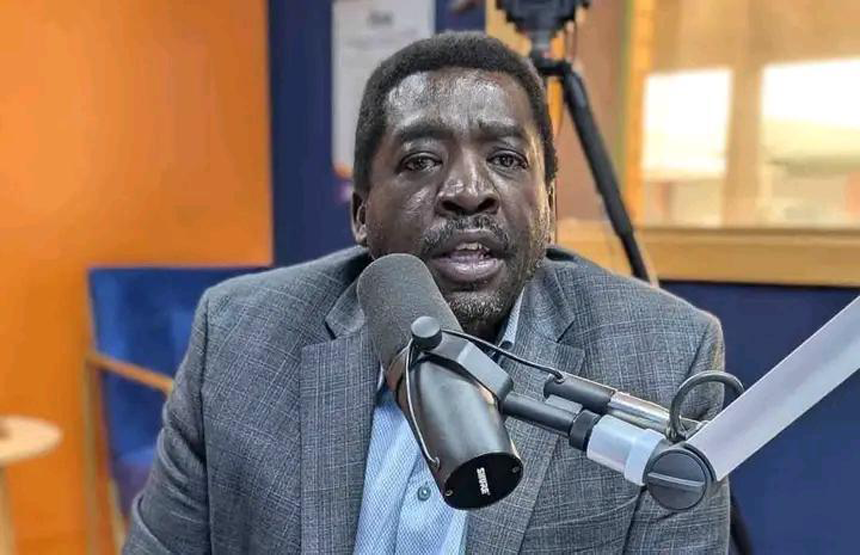
There is a growing contradiction at the heart of the opposition unity discourse—one that is becoming increasingly difficult to ignore. On the one hand, the We’re One Zambia Alliance (WOZA) and the Zambia We Want (ZWW) publicly champion unity, inclusion, and collective action. On the other hand, the conduct of the Zambia We Want General Secretary, Mr. Muhabi Lungu, tells a very different story. It is a story marked by persistent disrespect toward political leaders outside their alliance and a troubling intolerance of differing political paths.
Mr. Lungu’s public posture leaves much to be desired. His continued disregard for other political players points either to a deeply dysfunctional political upbringing or, at worst, an inability to coexist with others in a plural democratic space. Politics, by its very nature, is about managing differences. When an adult political leader consistently resorts to insolence and condescension toward those he perceives as enemies, it raises serious questions about maturity, temperament, and suitability for a unifying national project.
What is even more concerning is that the organisations he represents appear either unwilling or unable to rein him in. Leadership structures exist not only to project power, but also to enforce discipline and accountability. The fact that WOZA and the Zambia We Want continue to allow this behaviour suggests a lack of internal clout or, worse, silent approval. Either way, the damage is the same: further fragmentation of an already fractured opposition.
If there is to be genuine unity among opposition leaders, it must begin with a basic recognition of each political player’s uniqueness—both strengths and weaknesses. Unity is not about uniformity or intellectual domination; it is about complementarity. No single individual or organisation holds a monopoly on wisdom, patriotism, or leadership potential. Any attempt to impose superiority through ridicule or verbal aggression only breeds resentment and resistance.
A senior UPND member, speaking on condition of anonymity, captured this concern succinctly. “Mr. Muhabi Lungu must learn to stand back,” he said. “Yes, we all know he has mastery of the Queen’s language and speaks with a fluency that could rival members of the royal family. But an accent that only serves to generate enemies is not an asset—it is a liability.” The warning was blunt: if the opposition miscalculates and allows such conduct to dominate its public face, it will hand President Hakainde Hichilema an easy target. “Next,” the source added, “it will be him and his best friend George—an apparent reference to Ambassador George Chulumanda—that HH will go for.”
The advice that followed was even more telling: WOZA and the ZWW leadership should seriously consider placing a gag on Mr. Lungu before he accelerates the disintegration of the opposition. There is a sense that these two entities crave political relevance, but relevance cannot be built on arrogance and antagonism. The familiar “PhD style” of politics—where one believes progress is only possible by pulling others down—has no place in a country yearning for healing and cohesion.
It is therefore incumbent upon senior and respected figures such as Sakwiba Sikota and Kapembwa Simbao to intervene. They must speak candidly to Mr. Lungu and urge him to tone down his rhetoric, abandon divisive theatrics, and pursue a path of unity rather than division. Preaching unity while practising exclusion is not leadership; it is hypocrisy.
As citizens, we must also observe the evidence before us. Look at the politicians that Mr. Muhabi Lungu and Ambassador Chulumanda have repeatedly attacked. Almost without exception, they are doing better politically than the entire WOZA project. That reality alone should prompt serious introspection.
Zambia does not need loudness masquerading as intellect, nor eloquence weaponised to belittle others. What the nation needs—especially at this critical juncture—is mature leadership rooted in humility, respect, unity, and reconciliation. Anything short of that is a disservice to the people and a betrayal of the very ideals the opposition claims to uphold.