
By the Independent Political Corresponde
nt
Monday, 23rd February, 2026
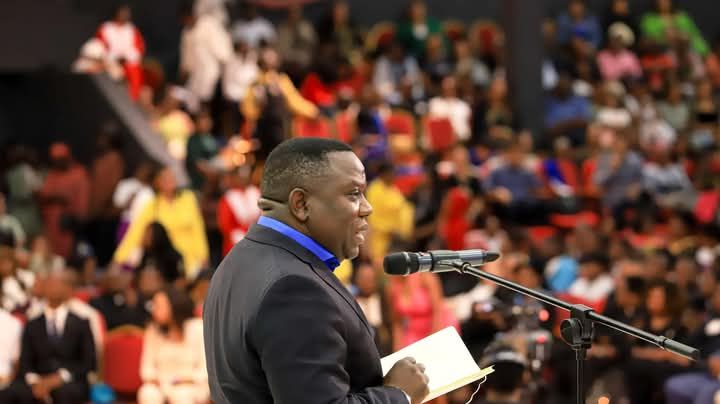
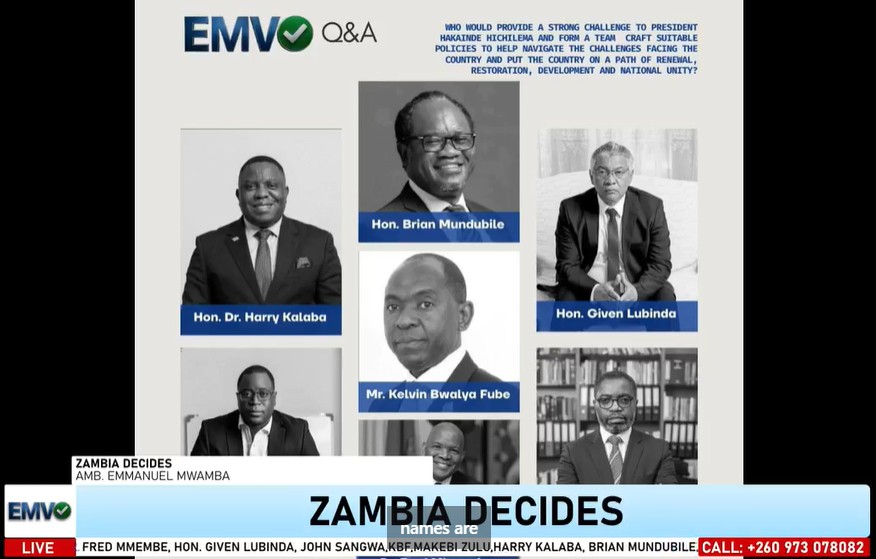
In an electoral exercise that is likely to send shockwaves through Zambia’s political establishment, Citizens First (CF) President Harry Kalaba has emerged as the clear frontrunner in the latest EMV exit poll, commanding a definitive countrywide margin that leaves no room for ambiguity.
The Independent was fully “plugged into” the voting process and has followed through with comprehensive monitoring. Based on the overwhelming evidence before us, we can easily call it in favor of Harry Kalaba, who has clearly demonstrated a genuine countrywide following that other candidates can only dream of.
A Nationwide Surge in Kalaba’s Favor
The EMV Exit Poll results demonstrate that Kalaba’s appeal spans the entire nation, not just a particular region or demographic. His supporters, according to the exit poll, represent a wide spectrum of Zambians from all ten provinces. This is no small feat, as his broad-based support highlights that Kalaba’s message of unity and national renewal is resonating with citizens from urban centers to rural communities.
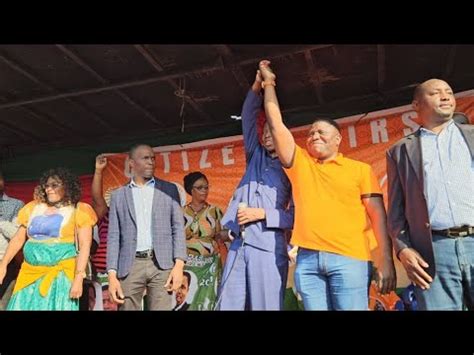
This contrasts sharply with other contenders, who have struggled to expand their influence beyond specific political or regional boundaries. Kalaba, however, has tapped into a deep reservoir of national sentiment, presenting himself as the candidate of unity, inclusivity, and progress. His position as the clear frontrunner was solidified on the very day he kicked off his party mobilization activities, a testament to the depth of his grassroots support and organizational strength.
The Diaspora Dilemma: Support That May Not Translate Into Votes
While Kalaba’s nationwide support is clear, the same cannot be said for some of his competitors, especially those who are relying heavily on support from Zambians living abroad. The exit poll revealed that several other candidates have significant backing from diaspora voters, with some even opting to remain anonymous during their calls. But herein lies the critical question: If these candidates are indeed receiving substantial backing from Zambians in the diaspora, how confident can they be that those supporters will actually come back to cast their votes in August?
Diaspora support is a well-known phenomenon in many African elections, but it often faces significant logistical hurdles. Many diaspora voters may not be able to return home due to financial or personal reasons, or simply because of the difficulties involved in securing a vote. This presents a fundamental dilemma for candidates reliant on this vote—are they truly building a nationwide base, or are they relying on a vocal but distant support that may not translate into the kind of decisive influence needed to win an election?
As the race heats up, this question calls for serious introspection. Candidates who have relied on the support of the diaspora may need to ask themselves whether this support will manifest in tangible votes or whether they are simply inflating their chances based on an unrealistic, idealized backing.
The Dividers: A Fragmented Opposition Failing to Gain Traction
The poll also brings into focus the struggles of certain other contenders who have positioned themselves as “serious presidential candidates” by criticizing Kalaba and others as “dividers of the polls.” While they have sought to paint themselves as the alternative to the current administration, they have not demonstrated the kind of critical mass needed to make a significant impact on the race. In fact, these candidates have failed to create a viable path to challenge either Kalaba or President Hichilema, which begs the question: Are they simply dividing the vote without offering any real leadership alternative?
The reality is clear: those who have called Kalaba’s candidacy a threat to the unity of the opposition have proven themselves unable to build a broad-based national coalition capable of challenging Hichilema’s dominance, let alone winning the presidency. Kalaba, on the other hand, has shown that he can bring together a diverse coalition of Zambians, making him the candidate with the largest and most widespread support.
Among the contenders, the closest to Kalaba in the EMV poll was Makebi Zulu, who came in a distant second. Zulu’s performance, while respectable, is far from enough to challenge Kalaba’s strong, countrywide appeal. Brian Mundubile, taking third place, finds himself similarly outpaced by Kalaba’s surge. Meanwhile, figures like KBF, the leader of the Socialist Party, failed to make the cut altogether—casting serious doubt on their viability as presidential candidates. If they cannot garner significant support in the polls, voters and political observers alike should seriously question whether they should even remain on the ballot.
Kalaba’s Leadership: A Call for Unity and National Dialogue
The EMV Exit Poll results offer more than just a snapshot of public sentiment; they send a clear message to the opposition. The time has come for meaningful dialogue and collaboration. Kalaba has been preaching unity throughout his campaign, emphasizing the need for all Zambians to come together and work towards a common vision of a prosperous nation. His vision appears to be resonating with many, particularly those who feel that Zambia’s political future hinges on collaboration, not division.
Now, with this strong mandate in the polls, Kalaba should be able to command the attention of opposition leaders, urging them to set aside personal ambitions and unite behind a common cause. If opposition leaders are truly serious about offering an alternative to President Hichilema’s administration, they must engage in constructive discussions with Kalaba—whose message of national unity is clearly one that has the potential to galvanize the electorate.
The Road Ahead: Will the Polls Hold True?
As the race to the August elections heats up, the question remains: Will the results of the EMV Exit Poll hold true on election day? Kalaba has built a strong foundation, but it is crucial that he continues to build momentum and unify the opposition behind his leadership. The internal divisions within the opposition must be addressed if they are to mount a serious challenge to Hichilema’s administration.
At the same time, the diaspora support for certain candidates must be examined more critically. It remains to be seen whether this support will translate into actual votes or if it will remain an unfulfilled promise. For those relying on diaspora backing, the path ahead is fraught with challenges, and they must carefully consider whether their campaigns are based on real voter engagement or inflated perceptions of their popularity.
In the end, the EMV poll results serve as both a reflection of where Zambia stands politically today and a blueprint for the road ahead. Kalaba has demonstrated that he has the nationwide appeal to make a real difference, but the opposition’s ability to coalesce behind him will ultimately determine whether he can build on this momentum and win Zambia’s highest office.
The time for division is over—if Zambia is to make progress, it must do so together. Kalaba has offered the leadership to make this happen, and now the question is whether the rest of the opposition will recognize the opportunity for unity or continue down a fractured path. The nation is watching, and the elections in August will be the ultimate test.