
The Changing Faces of a President: When Smiles Mask the Truth
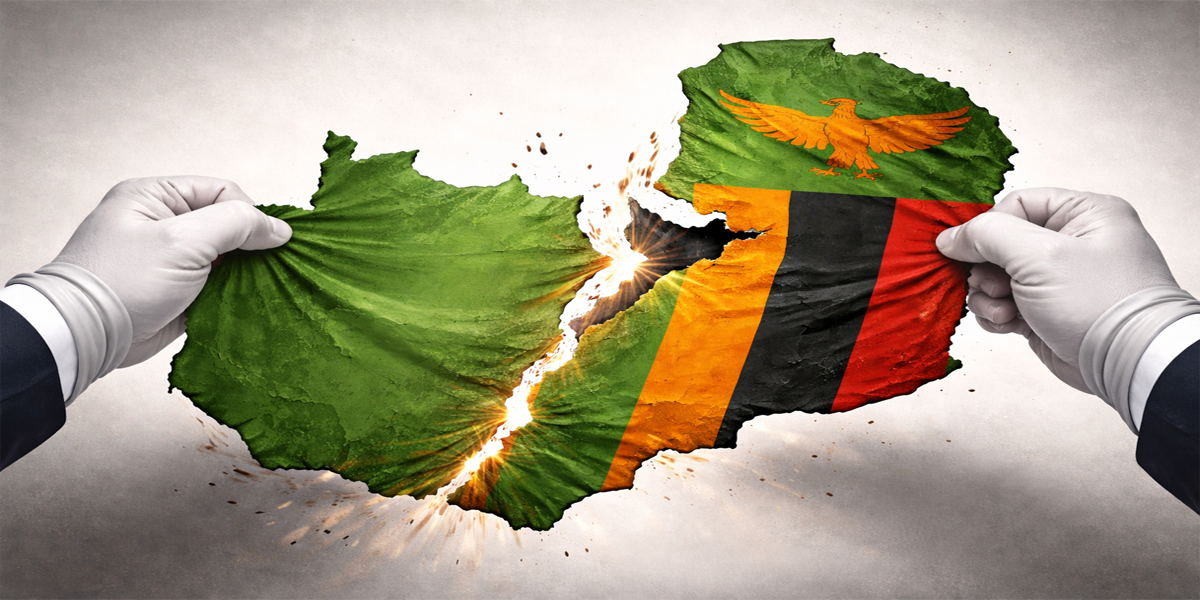
As Zambia moves toward the 2026 general elections, a critical national conversation is emerging—not about policies or manifestos, but about truth, consistency, and the trustworthiness of leadership. The journey since the last election reveals a troubling pattern of shifting promises and changing faces, raising fundamental questions about the nature of the presidency itself and what these changes signal to the nation.
The Promise vs. The Reality
The current administration ascended to power on a wave of specific, heartfelt promises that resonated with the struggles of ordinary Zambians.
· Economic Relief: There were clear pledges to reduce the cost of essentials. The price of mealie-meal was to fall from K130 to K50, fertilizer from K650 to K250, and fuel from K17 to K10. Today, citizens face a different reality, with prices soaring and many households finding these basics increasingly unaffordable.
· Governance and Corruption: A cornerstone of the campaign was the promise of a transparent, corrupt-free government and a commitment to rid national procurement of self-serving middlemen. Instead, numerous scandals have emerged, from questionable procurement deals to allegations of shielding allies, suggesting a fight against corruption that appears selective. The very middlemen decried in opposition have reportedly found a place in the new system.
· Public Services: Assurances were given that load shedding would end and that medical facilities would be consistently stocked with medicines. However, power cuts persist and the healthcare system continues to face severe shortages, forcing patients to seek costly private alternatives.
The “Changing Face” Phenomenon
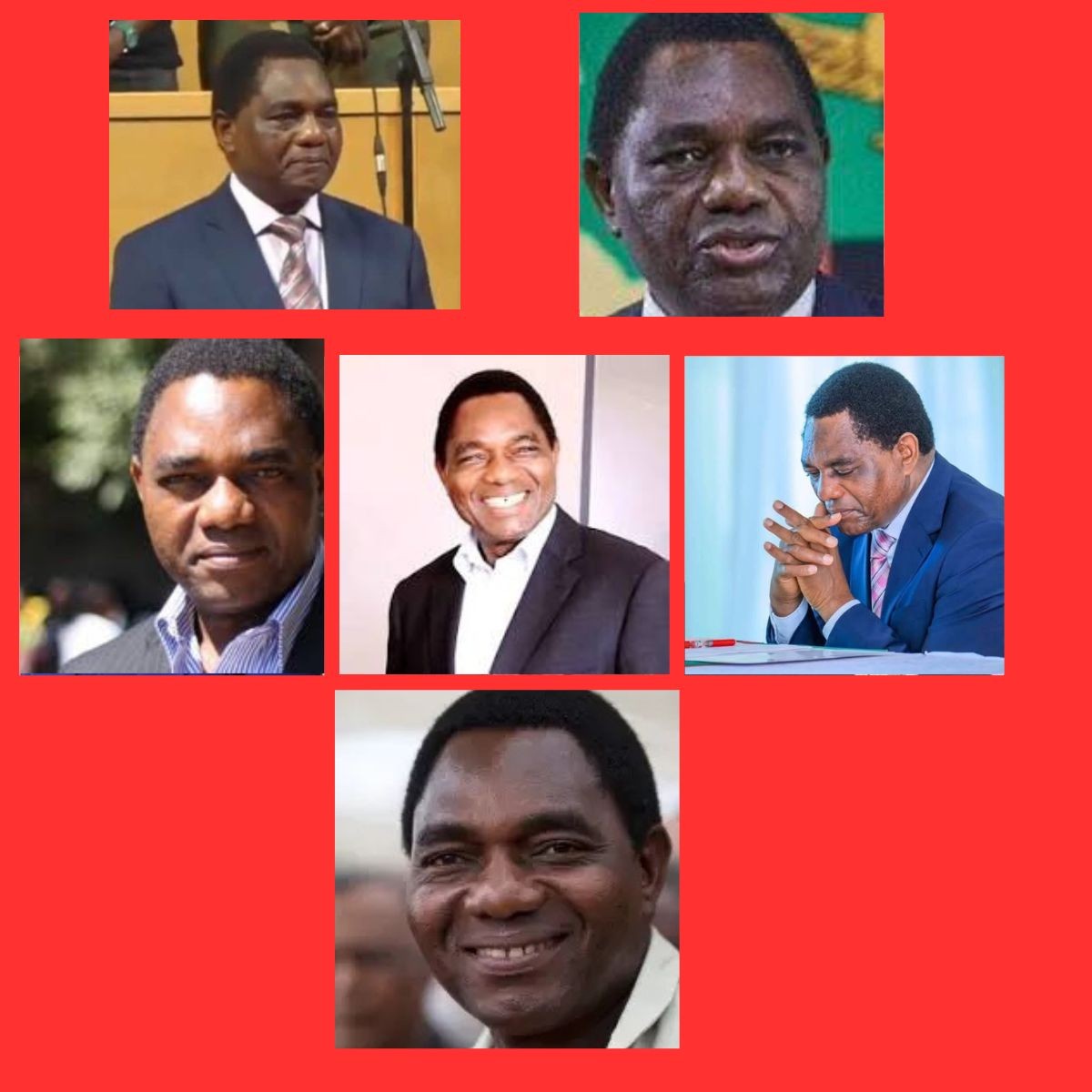
This gap between promise and delivery points to a deeper issue: the president’s ability to present entirely different personas based on circumstance. This is more than simple politicking; it is a fundamental inconsistency that erodes the contract between leader and citizen.
· The Public Face: In official settings, with cameras rolling, the president presents a vision of unity and progress, endorsing national compacts for health and speaking of shared futures.
· The Governing Face: Away from the spotlight, actions often tell a different story—one of unfulfilled commitments and approaches that contradict earlier principles.
This phenomenon was tragically foreshadowed in recent history. The nation recalls being assured a former president was “fine and enjoying a morning jog,” only for him to pass away within the same week. Such events teach a painful lesson: when the face presented to the public is meticulously managed and divorced from reality, it is not just deception—it is a betrayal of the public’s right to truth.
The Assault on Truthful Voices
Perhaps the most telling “change of face” is the administration’s relationship with institutions that speak truth to power. As an opposition figure, the president praised the Catholic Church for its moral voice. Today, that relationship has transformed into one of apparent persecution.
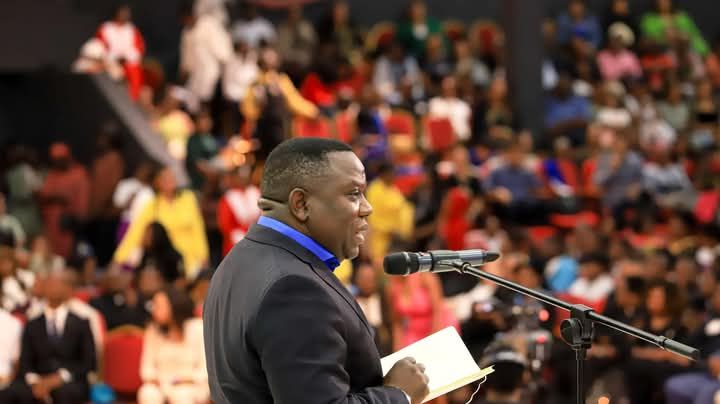
In early January 2026, Archbishop Alick Banda was summoned for interrogation by the Drug Enforcement Commission, an act the Zambia Conference of Catholic Bishops condemned as “state-sponsored persecution” and an attempt to suppress the Church’s prophetic voice. This shift from praise to pressure reveals an intolerance for dissent and a desire to silence consistent moral critiques. It demonstrates that the “face” presented to allies and critics can change on a dime, depending on who holds him to account.
The Correlation Between Changing Faces and Falsehoods
A changing face is intrinsically linked to falsehood. Each shifted promise or reversed principle is a lie told to the past version of the electorate that believed in it. When a leader condemns a constitutional bill (like Bill 10) and later pushes for measures perceived as more draconian, it creates a jumble of contradictory statements where citizens can no longer discern core belief from political convenience.
As one commentary notes, “Lies make headlines, but they don’t make leaders. Lies create drama, but they don’t create trust”. A leadership style built on shifting narratives eventually collapses under its own weight, as truth “outwalks, outruns, and outlives every lie”. The resulting erosion of trust is perhaps the most damaging legacy, making coherent governance impossible.
The 2026 Imperative: Choosing Substance Over Smiles
As the nation approaches a pivotal election, the lesson is clear. The Zambian electorate must look beyond the camera-ready smile and campaign rhetoric. The critical question, as one observer frames it, is: “Who has already passed the test of trust?”
· Trust is built on consistency, not charisma. It is revealed in a leader’s past actions and their alignment with present words.
· Leadership should inspire calm and confidence, not anxiety and uncertainty about the nation’s direction or the leader’s next reversal.
· The future of Zambia cannot be an experiment with unreliable leadership. It must be entrusted to proven character, integrity, and an unshakable respect for the truth.
The changing faces of the presidency are not just a political tactic; they are a symptom of a fundamental disconnect from the virtues of honest, steadfast leadership. For Zambia to restore its dignity and build a prosperous future, its citizens must use their vote on August 13 to demand and elect a leader whose face—and whose word—does not change with the political wind. The nation’s stability, its economy, and the moral fabric of its society depend on choosing a leader of unquestionable integrity, finally ending the era of the shifting mask.