
By the Independent Political Correspondent
Friday, 27th March, 2026
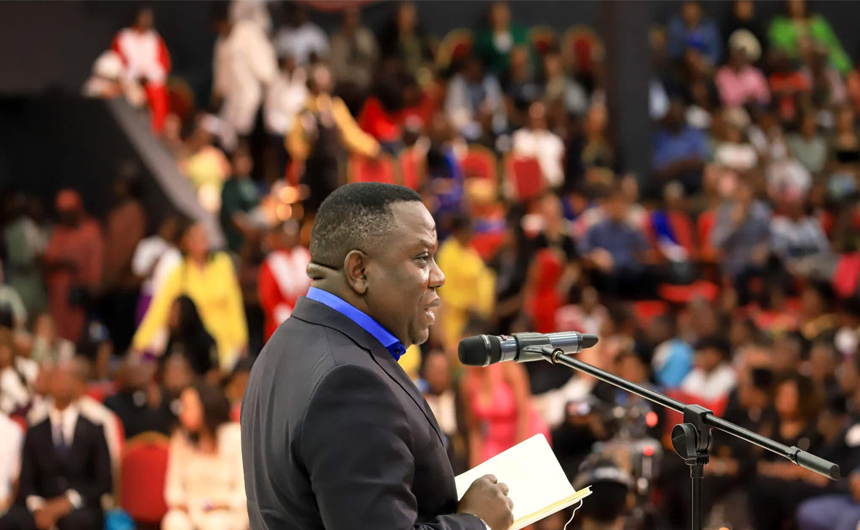
As the political temperature steadily rise ahead of the August 13 General Elections, the emergence of Makebi Zulu as a presidential contender sparked both intrigue and debate. While public messaging around his candidacy has largely been centred on the notion of a man abandoning the mourning of his boss (ECL). Some critics argue that he is taking advantage of his proximity to the Lungu family to draw emotional support to himself. They contend that his entry into the presidential race is not motivated by unity or a desire to bring economic emancipation. A closer examination suggests that two deeply personal and purposeful motivations may be driving his determination to run for the highest office in the land.
The first, and perhaps most controversial, relates to a matter that has lingering at the back of his newly found political zeal: the legal troubles facing his brother, who is currently facing the possibility of a life sentence for his alleged role in the gruesome murder of the former IBA Director General Guntila Muleya. Critics argue that a presidential victory would place Makebi in a position to exercise executive clemency, and outrightly pardoning his brother. Such a move would most certainly raise profound moral and ethical questions about the use of presidential powers for personal interests. The reality however is that he has expressed deep concern over the impact the conviction will cause to his father who has been a devout Christian believed to have brought up his children under strict Christian values. For that, he stands ready to bend all the rules – close family member disclosed.
In public, Makebi has remained silent on this issue. He has neither addressed the allegations publicly nor clarified his stance, choosing instead to press forward with his campaign. His resolve suggests a man committed to getting the presidency by any means necessary, particularly at a time when the incumbent administration is grappling with multiple challenges that has left the party extremely weakened preferring to use brute force and law-fare as a means of slowing down the opposition.
The second motivation is rooted in a desire for political redemption. Following his rejection in the 2021 elections, Makebi seems intent on proving that his political career is far from over. For him, merely having his name on the ballot as a presidential contender will constitute a significant victory. It will signal resilience and reinforce his relevance in a competitive political landscape. If this is followed through, it may lead to a missed opportunity by the opposition for merely fielding a presidential candidate to help them exorcise the “demon” of losing a parliamentary seat.
Others argue that this chance is important to Makebi as offers him the opportunity to etch his name into a unique historical narrative. By positioning himself as a viable presidential candidate, he would join the ranks of the very few easterners – alongside RB and ECL – who have ascended to such prominence. This symbolic achievement carries weight, not only for his personal legacy but also for regional political dynamics. But where does it leave the citizens of Zambia?
This ambition is fueled by the hope that other opposition figures may rally behind him, consolidating support in a fragmented political environment. And as it stands, the CF leader emerges as a notable figure among the opposition front-liners. With significant cabinet experience and holding the current record of being the longest-serving foreign affairs minister since independence, he brings both credibility and institutional knowledge to the table.
Equally important is his demonstrated humility. His willingness to publicly acknowledge the need for collective leadership – and to encourage his team to be ready to be led – sets a tone that many believe is essential for effective governance. It reflects a level of political maturity that could resonate with voters seeking stability, unity and collaboration.
In this context, attention now turns to Hon. Makebi and his camp and the next few days and weeks will be critical in determining whether opposition unity can be achieved for the purpose of helping Makebi address his past or for the purpose of providing tangible opposition to UPND.
There is a growing sentiment that it is time for Makebi and his team to reconsider his position and engage constructively with the CF leader. Persisting with claims of dominance under the guise of a bigger embattled PF, especially when faced with internal and external pressures, may ultimately prove counterproductive.
If the opposition is to mount a credible challenge, it will require not just ambition, but also humility, pragmatism, and a willingness to put national interest above individual pride or “personal exorcism”. Whether Makebi’s motivations – both personal and political – will ultimately resonate with his team remains to be seen. What is certain, however, is that his entry adds a new and complex dimension, coupled with Harry Kalaba’s experience, the two will present a serious challenge capable of stopping the UPND and its leader, saving the country the cost of going for a re-run.