
Kalaba Positions Himself as “David” Ahead of 2026 Polls, Vows Economic Reset and Democratic Reforms
By Staff Reporter
Friday, 17th April, 2026
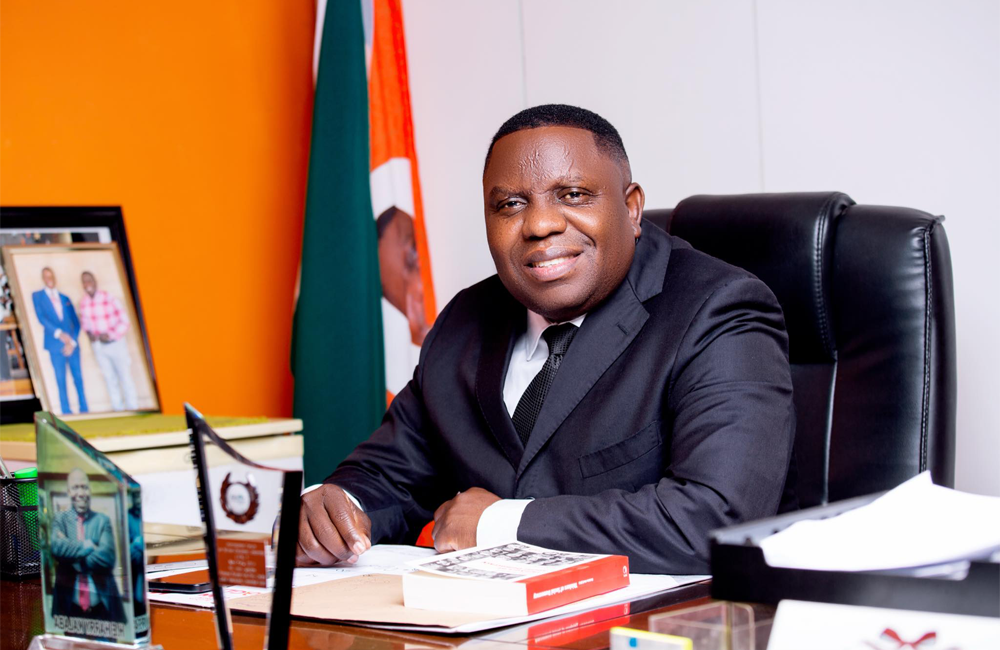
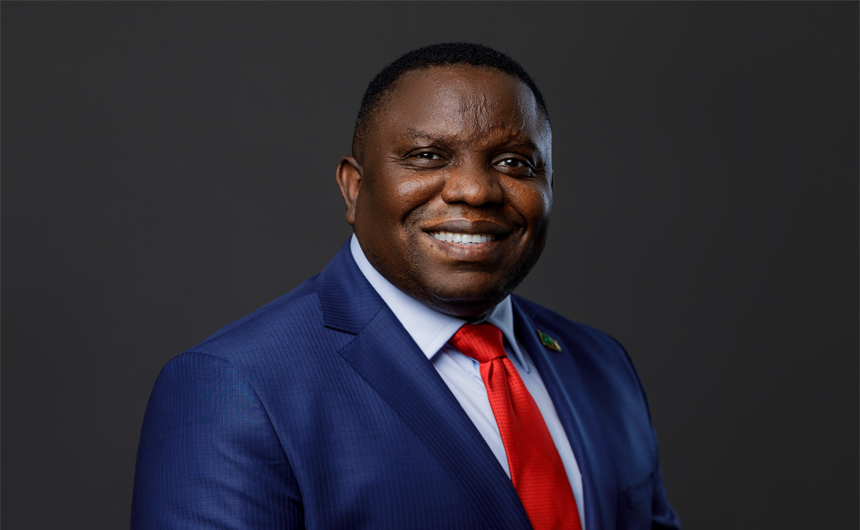
LUSAKA — In a wide-ranging and politically charged interview on State of the Nation aired Thursday, April 16, Citizens First (CF) President Harry Kalaba laid out an ambitious vision for Zambia’s future, while sharply criticizing the current administration and signalling his readiness for the August 13, 2026 general elections.
Speaking to veteran journalist Kennedy Mambwe on KBN Television, Kalaba framed his campaign around the theme “Repositioning Zambia for Equity, Development and Freedom,” presenting himself as both a reformist and a unifying national figure in what is shaping up to be a highly contested race.
A “David” Moment in Zambian Politics
Kalaba embraced his party’s symbolic portrayal of him as a biblical “David,” casting the upcoming election as a decisive confrontation between ordinary citizens and entrenched power.
He described the symbolism as a reflection of humility and faith, suggesting that unseen forces are aligning in favor of change. In his narrative, the election represents a turning point where “the giant will go down,” a clear reference to the ruling establishment.
Mounting Pressure Through Protest and Regional Appeals
In a bold escalation of opposition tactics, Kalaba defended his decision to notify police of planned nationwide protests, arguing that Zambians can no longer remain silent amid worsening economic and social conditions.
He cited rising commodity prices, hunger, unemployment, and what he described as shrinking democratic space as justification for civic action. According to Kalaba, “things are not okay,” and public dissent is a necessary response to governance failures.
His recent appeal to the African Union over concerns about the electoral process further underscores his strategy to internationalize scrutiny of Zambia’s democracy. Kalaba accused the current leadership of partisan appointments and institutional manipulation, particularly in relation to the Electoral Commission and judiciary.
Governance Concerns and Institutional Trust
A recurring theme throughout the interview was Kalaba’s critique of governance under President Hakainde Hichilema. He alleged growing tribalism, lack of transparency in public sector recruitment, and weakening democratic institutions.
He pointed to the controversial recruitment of 4,000 police officers and appointments within key institutions as examples of what he termed “recklessness” and “partisanship.” Kalaba expressed scepticism that meaningful corrective action would be taken, arguing that accountability mechanisms have been compromised.
Citizens First: Stability and Growing Momentum
Kalaba positioned Citizens First as a stable and expanding political force, contrasting it with what he described as internal turmoil in other parties. He highlighted the influx of prominent figures into CF ranks—both publicly and behind the scenes—as evidence of growing confidence in his leadership.
He also extended an open invitation to opposition members and disaffected ruling party supporters, emphasizing inclusivity and national unity as central pillars of his campaign.
Electoral Boundaries and Allegations of Bias
On the Electoral Commission’s proposal to create 70 new constituencies, Kalaba was critical, arguing that the distribution is skewed toward perceived ruling party strongholds. Despite these concerns, he expressed confidence that voter sentiment would ultimately prevail over structural disadvantages.
A Campaign Built on Economic Relief and Governance Reform
With less than four months before Zambians head to the polls, Kalaba outlined a platform centered on addressing the high cost of living, unemployment, corruption, and social divisions.
- He proposed measures such as:
- Reserving government tenders below K20 million for local businesses
- Promoting value addition in key industries
- Formalizing and supporting artisanal mining
- Strengthening anti-corruption institutions by removing executive interference
Kalaba also pledged to repeal laws that restrict civil liberties and to restore what he described as lost freedoms of expression, movement, and association.
First 100 Days: An Agenda for Rapid Change
Looking ahead, Kalaba detailed an aggressive 100-day reform plan should he assume office. Key priorities include:
- Restoring autonomy to anti-corruption bodies
- Reviewing mining and tax agreements
- Launching commissions of inquiry into past political violence and alleged asset plunder
- Rebuilding regional and international relations
- Auditing major infrastructure projects such as the Lusaka-Ndola dual carriage
He also emphasized the need to redefine government as a service provider rather than a profit-driven entity.
A Contender to Watch
Kalaba’s interview underscores his emergence as a serious contender in the 2026 presidential race. With a message that blends populist appeal, institutional reform, and economic intervention, he is positioning himself as a candidate of both change and continuity—drawing on his experience in government while promising a decisive break from the current administration.
As the electoral season intensifies, Kalaba’s ability to translate rhetoric into broad-based electoral support will be closely watched. What is clear, however, is that he has firmly placed himself among the key political figures to watch in Zambia’s August 13, 2026 elections.