
By the Independent Political Correspondent
Wednesday, 22nd April, 2026
The Third National Prayer Breakfast has long been framed as a solemn gathering—an opportunity for reflection, repentance, and unity under God. But as this year’s event approaches, it does so under a cloud that cannot be ignored, raising uncomfortable questions not only about politics, but about the moral voice of the Church in Zambia.
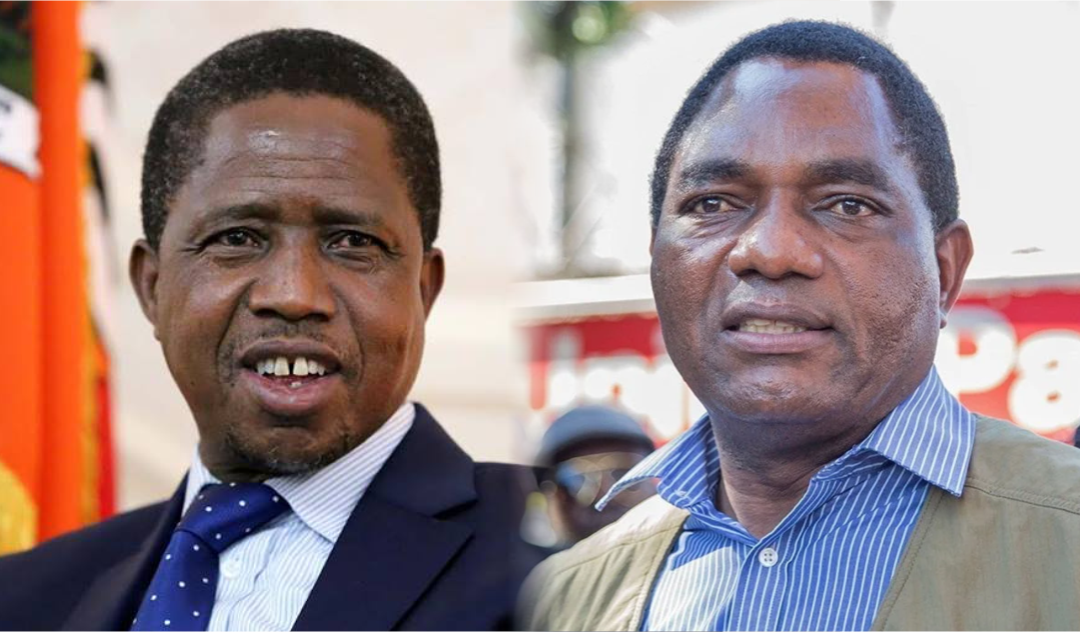
At the center of the controversy is the troubling report of the body of former president Edgar Lungu that has been frozen in the morgue for almost a year for simply because the Preesident insists on wanting to preside over the funeral program against the wishes of the family. Although information reaching us is that the government has finally reached an agreement with the family. This is a little too late as it is clear that the intentions are not noble. Whether one supported Lungu or opposed him politically, the sanctity of death and the dignity owed to both the deceased and their loved ones should be beyond partisan maneuvering. Yet the silence, or at best the muted response, from sections of the clergy has been deafening.
This silence demands scrutiny.
For a nation that proudly identifies itself as Christian, the question must be asked: what kind of Christianity is being practiced when moral clarity is replaced with selective outrage? When actions that would ordinarily provoke righteous condemnation are met instead with hesitation, deflection, or even tacit approval. The credibility of spiritual leadership is called into question.
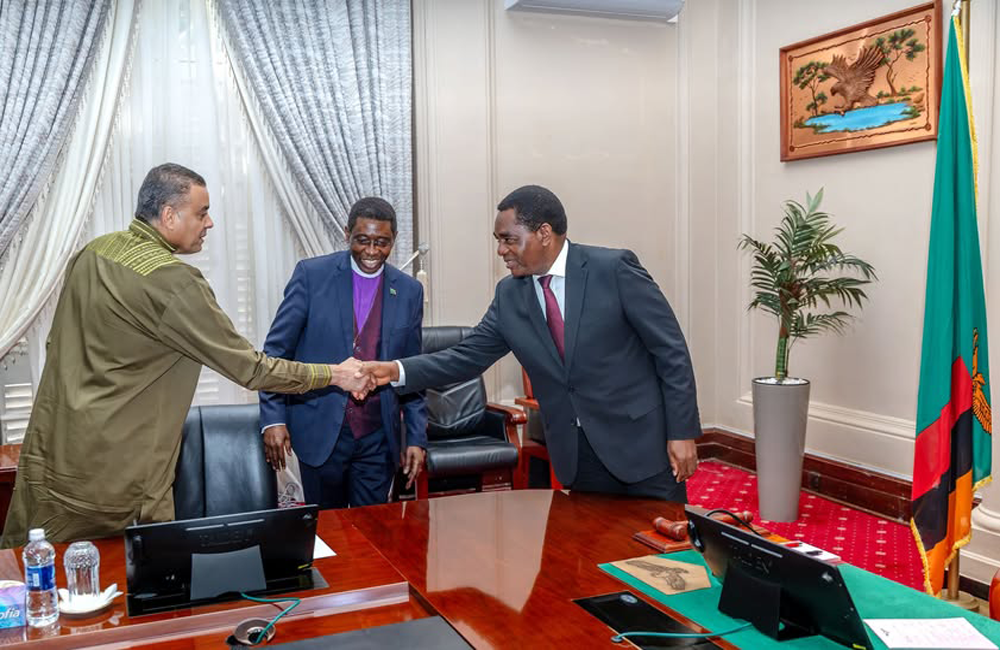
The clergy have historically positioned themselves as the conscience of the nation – voices that speak truth to power, regardless of who holds office. But recent patterns suggest a shift. The Prayer Breakfast, that is globally viewed as a symbol of unity across political divides, now risks being perceived as a partisan stage, where proximity to power takes precedence over prophetic responsibility. This event is festered with all the hallmarks of an evil convocation intended to entrench a dictator who sees nothing wrong with using and discarding others.
What is ironic is that these very clergy at the heart of this prayer breakfast are the very clergy that elected silence during the contentious debates surrounding Bill 7. They chose caution over courage. That moment, like the present one, tested whether the Church would stand firmly on principle or retreat into ambiguity. For many observers, the outcome was disappointing.
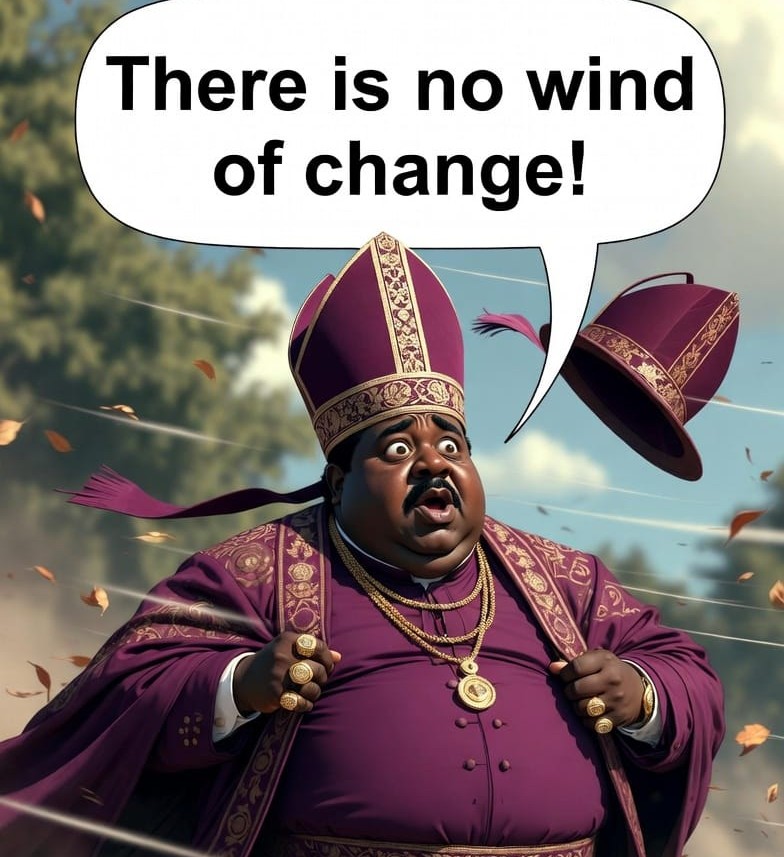
There is a biblical metaphor that feels increasingly relevant: salt that has lost its saltiness. When spiritual leaders, entrusted with guiding the nation’s moral compass, appear compromised or overly aligned with political authority, their influence diminishes. The pulpit becomes quieter when it should be bold, and sermons give way to lengthy teachings that avoid confronting the urgent ethical crises facing the country.
It would be simplistic—and unfair—to paint all clergy with the same brush. There remain voices of integrity who continue to challenge injustice and call for accountability. But the perception of a “captured clergy,” whether entirely accurate or not, is gaining traction among citizens who are watching closely.
And perception, in matters of public trust, matters.
The deeper concern is not merely about one incident or one event. It is about the dangerous convergence of political power and compromised moral authority. History has shown that when leadership—both secular and spiritual—fails simultaneously, the consequences for a nation can be profound.
A corrupt political system is harmful. A compromised clergy is equally troubling. But when both exist in tandem, the risk is magnified.
As Zambia moves toward the August 13 elections, the stakes extend beyond party politics. They touch on the soul of the nation—its values, its institutions, and its commitment to justice. Calls for unity among opposition leaders are growing louder, not simply as a political strategy, but as a response to a broader concern about balance and accountability in governance.
Ultimately, however, the responsibility does not rest with politicians alone. The Church must decide what role it intends to play. Will it remain a passive observer, a quiet partner to power, or will it reclaim its place as an independent moral force?
This third Annual Prayer Breakfast presents an opportunity—not just for prayer, but for reflection and courage. If it is to retain any genuine meaning, it must move beyond ceremony and confront the realities facing the nation.
Because in times like these, silence is not neutral. It is a choice.